 Table
Table
Foam Housse
Refresh your table with eco-friendly style—two washable recycled nylon covers that wipe clean easily and swap its look in seconds, so mealtime feels fresh and effortless.
Placemats are practical textiles designed to protect dining surfaces while adding a layer of aesthetic and texture to table settings. In a typical household, they can define seating zones, reduce heat and moisture transfer, and simplify cleanup after meals. This category highlights materials, sizing, and care guidelines to maximize longevity and performance.
Key features to consider include material composition, woven or nonwoven construction, and heat resistance. Placemats may use cotton, linen, or blends, offering varying levels of absorbency, durability, and ease of cleaning. Understanding stitch quality, edge finishing, and thickness helps determine suitability for everyday use or special occasions.
Functional benefits of placemats extend to protecting surfaces from scratches, spills, and stains, while enabling easy coordination with tableware and decor. They can be washed, wiped, or spot-cleaned depending on fabric type, and some designs provide moisture wicking or heat protection to support food service at home.
In bedroom-adjacent spaces like nurseries or living areas, placemats can pair with other textiles such as bedding, pillows, and comforters to create cohesive themes. Compatibility with room color schemes, durability under frequent handling, and ease of laundering are important considerations for maintaining a clean, inviting environment.
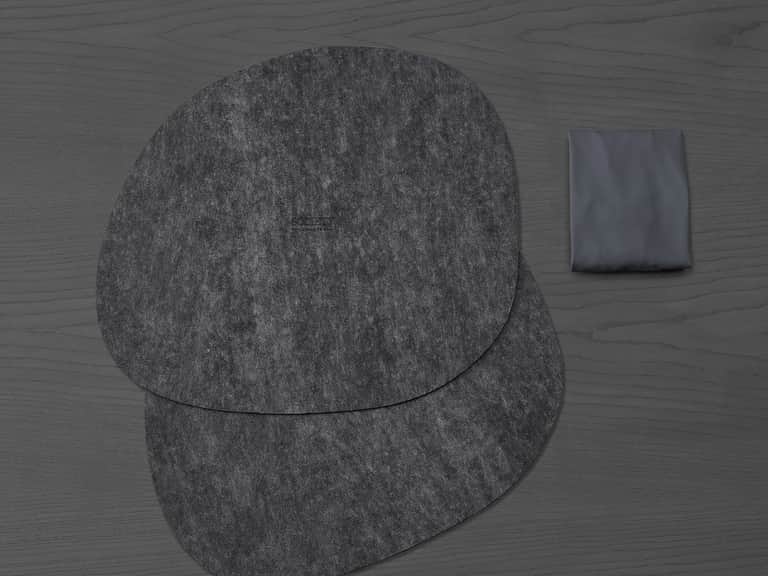
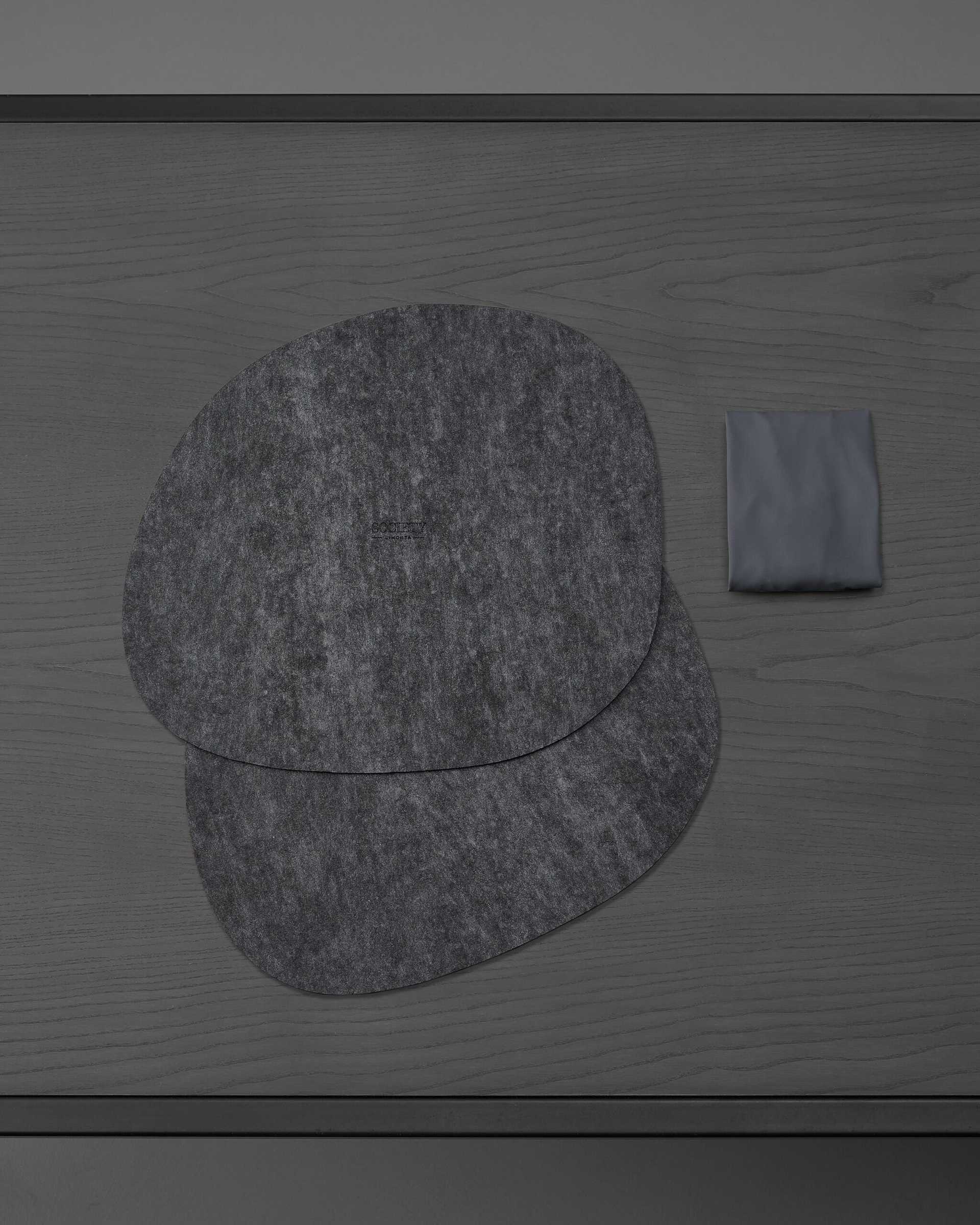
Featured items such as Foam Housse placemats illustrate how integrated padding or foam-backed options can enhance surface protection and grip, reducing slippage during meals. These products emphasize functional benefits like stability, spill resistance, and low-maintenance care, aligning with broader home textiles such as bedding, nursery essentials, and down comforters.
Table
 Table
Table